
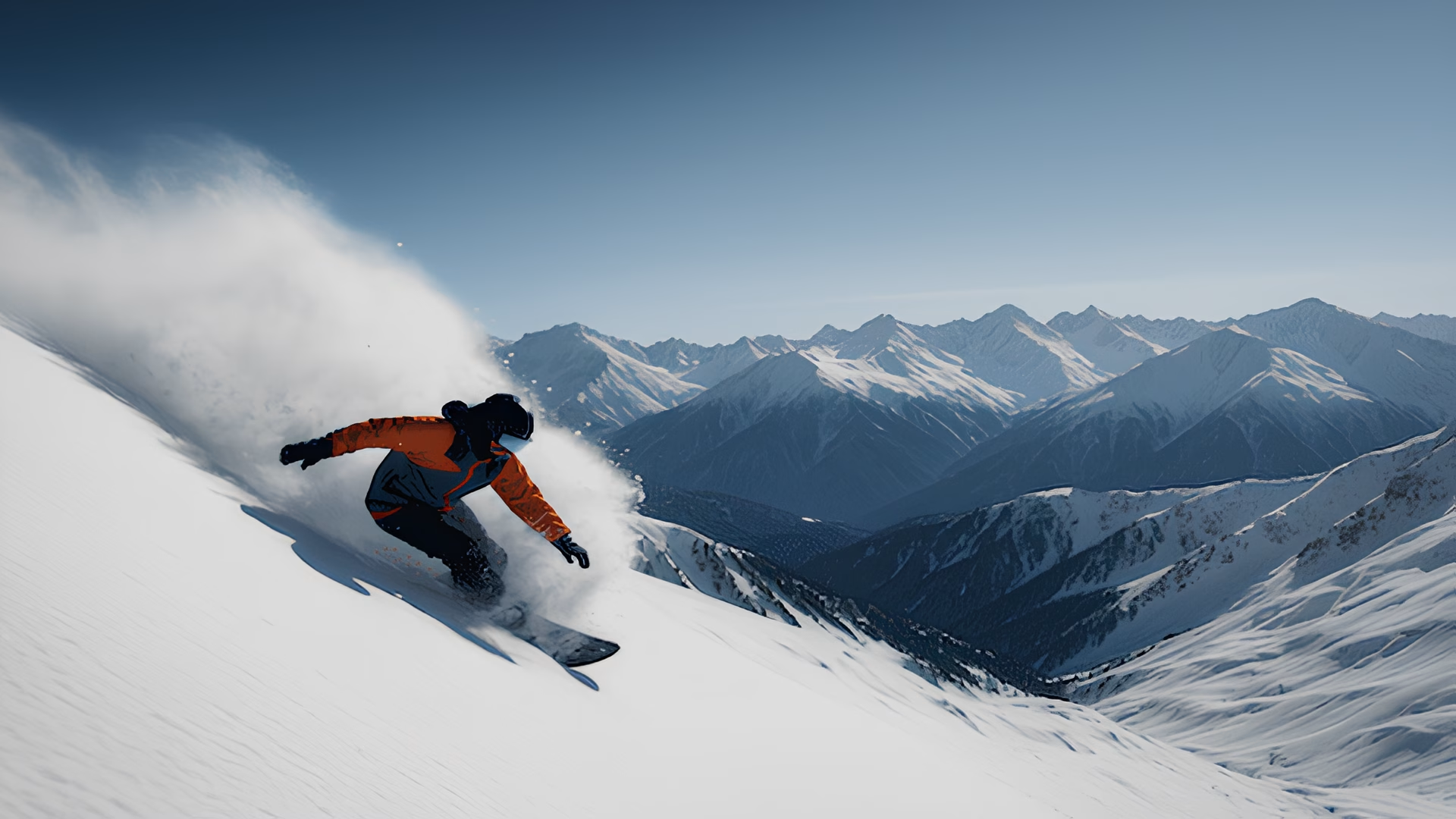
Skiing in Kazakhstan
Discover Kazakhstan’s established ski resorts, legendary freeride terrain and Almaty SuperSki — a mega-resort project connecting the mountains around Almaty
12 resorts · 68 km of slopes · 43 lifts · Season Nov – Apr · 3,200 m highest point
Some links are affiliate — we may earn a commission at no extra cost to you.
About Skiing in Kazakhstan
12 ski resorts, 68 km of slopes, two mountain systems — watch Kazakhstan skiing in action
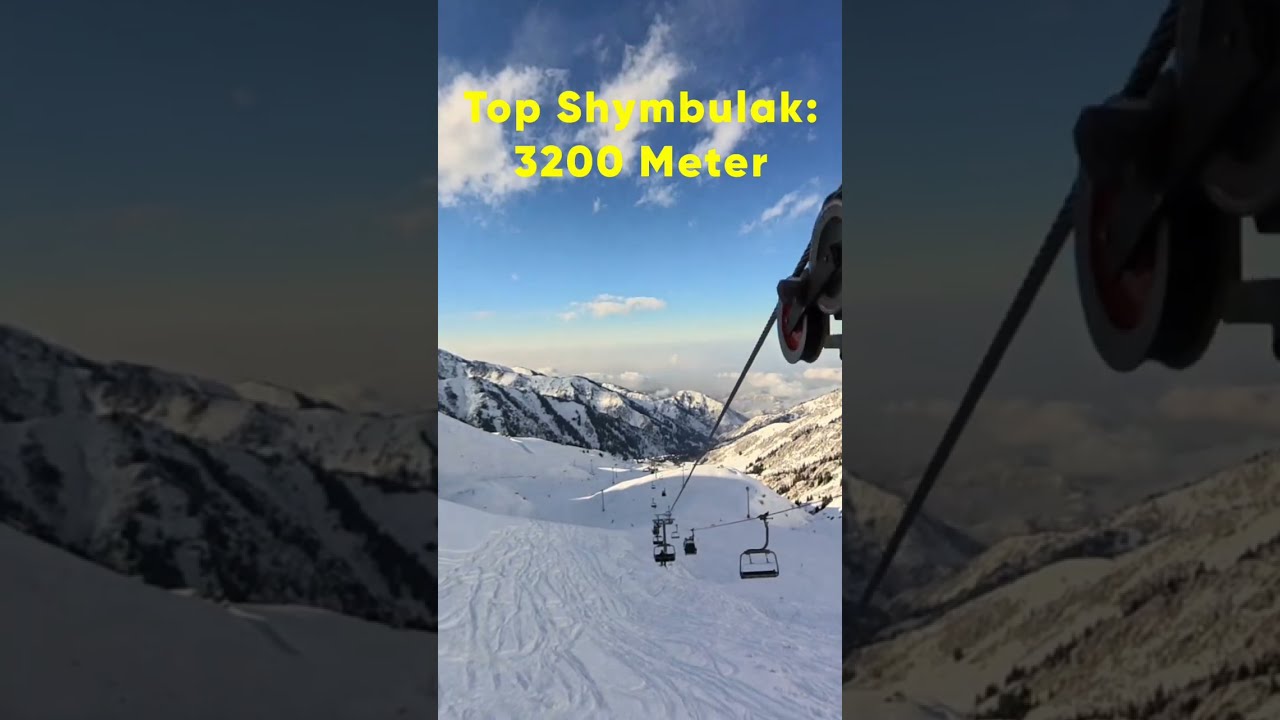 Skiing in Kazakhstan Shorts
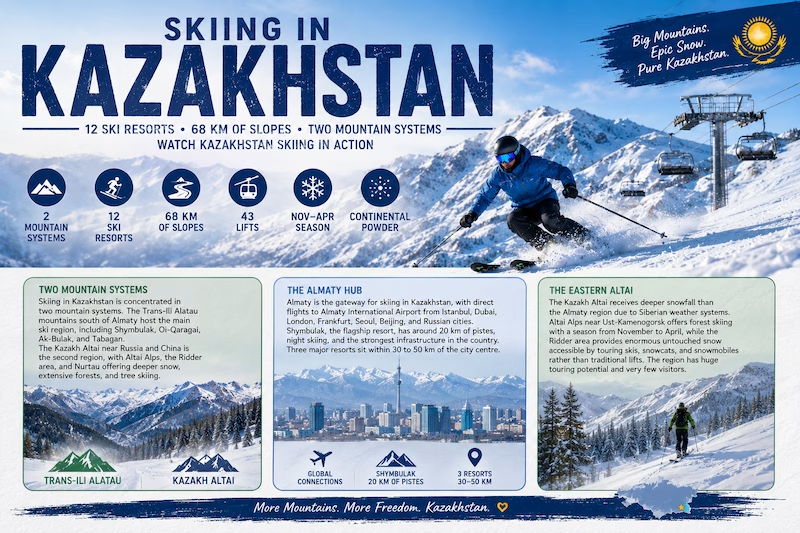
Two Mountain Systems
Skiing in Kazakhstan is concentrated in two mountain systems. The Trans-Ili Alatau mountains south of Almaty host the main ski region, including Shymbulak, Oi-Qaragai, Ak-Bulak, and Tabagan. The Kazakh Altai near Russia and China is the second region, with Altai Alps, the Ridder area, and Nurtau offering deeper snow, extensive forests, and tree skiing.
The Almaty Hub
Almaty is the gateway for skiing in Kazakhstan, with direct flights to Almaty International Airport from Istanbul, Dubai, London, Frankfurt, Seoul, Beijing, and Russian cities. Shymbulak, the flagship resort, has around 20 km of pistes, night skiing, and the strongest infrastructure in the country. Three major resorts sit within 30 to 50 km of the city centre.
The Eastern Altai
The Kazakh Altai receives deeper snowfall than the Almaty region due to Siberian weather systems. Altai Alps near Ust-Kamenogorsk offers forest skiing with a season from November to April, while the Ridder area provides enormous untouched snow accessible by touring skis, snowcats, and snowmobiles rather than traditional lifts. The region has huge touring potential and very few visitors.
Ski Resorts in Kazakhstan
Kazakhstan has 12 established ski resorts with about 68 km of slopes served by 43 lifts nationwide. The best-known resorts are clustered around Almaty, with a second tier in East Kazakhstan. Shymbulak leads with 20 km of pistes, followed by Ak-Bulak at 14 km and Oi-Qaragai at 13 km. The Almaty SuperSki mega project will connect Shymbulak and Oi-Qaragai with new terrain for up to 227 km of pistes.
Major Ski Resorts
Kazakhstan's flagship resort and the largest ski area in Central Asia. 20 km of pistes from 2,200 to 3,180 m, Guinness-recognized night skiing, and the strongest infrastructure in the country.
High-altitude resort in the Trans-Ili Alatau foothills near Talgar. 14 km of slopes with freeride-oriented terrain and a 63-room mountain hotel. Quieter than Shymbulak.
Family-oriented all-season resort in Ile-Alatau National Park. Formerly known as Lesnaya Skazka. 13 km of gentle forested slopes with ski-in/ski-out lodging and spa facilities.
Forest skiing in the Gornaya Ulbinka valley. 13 official runs with vertical drops exceeding 350 m. Season from November to April. Inexpensive with a friendly local atmosphere.
Under Construction
Mega project connecting Shymbulak and Oi-Qaragai with new terrain. Master plan: 227 km of pistes, 58 lifts, 34,000 daily capacity. Launch planned for December 2028.
65 km of new ski tracks linking Kok-Zhailau Gorge with Kumbel Peak. Component of the Almaty SuperSki project. Between Small and Big Almaty gorges, just 10 km from the city.
Smaller Ski Resorts
These smaller resorts have less than 10 km of slopes each. They are good for day trips, learning, and adding variety to a Kazakhstan ski trip.
Bankrupt since 2016. Historically served beginners, schools, and local residents. 6 main slopes across 91 ha in the Talgar region. Not operational.
Family-friendly ski resort in a scenic valley surrounded by fir forests. Opened in 1999. Snowmobiling, horseback riding, and snow tubing available.
Small beginner-focused resort with 1.9 km of gentle terrain. Three lifts across 1,340–1,589 m elevation. Good for newcomers or a relaxed day trip near Almaty.
Five prepared runs with a 1.3 km drag lift. Varied terrain from gentle beginner slopes to technical forest runs. On-site lodging and restaurant.
Ski Season and Snow Conditions in Kazakhstan
The ski season in Kazakhstan runs from late November through March, with some areas extending into April depending on altitude. The Almaty area generally offers the most reliable skiing because of altitude and mountain geography.
When to Go
January and February are the safest months for dependable snow, while March can still be good in the higher Almaty terrain. April offers a "velvet season" with sunny days and late-season powder, allowing spring skiing well after European resorts have closed — usually only Shymbulak remains reliably open because of its elevation.
| Month | Typical Temperature |
|---|---|
| December | -5 to -15°C |
| January | -10 to -25°C |
| February | -8 to -20°C |
| March | -2 to -10°C |
Siberian outbreaks: Cold Siberian air masses occasionally push temperatures below -30°C. Check forecasts before travelling to resort areas, especially in January.
Snow Quality by Region
Kazakhstan's continental mountain climate produces light, dry powder with low moisture content. The snow is soft, offers excellent edge grip, and deteriorates more slowly than in maritime climates. East Kazakhstan often receives deeper snowfall than the Almaty region due to Siberian weather systems, and local freeriders compare the lightness of fresh snow in the Altai to Japan's famous powder.
Freeride and Backcountry Skiing in Kazakhstan
Kazakhstan's biggest strength for advanced skiers is its freeride and backcountry terrain. The country has huge areas of bowls, couloirs, forests, alpine faces, and glaciers — with very little terrain controlled, unlike in Europe. That means more freedom, but also greater responsibility.
Where to Go
Freeride-oriented terrain with a higher-mountain feel. Steep, varied runs above 2,600 m.
FreeridePlentiful tour-ski possibilities in the mountains surrounding Almaty. Multiple valleys and alpine faces.
TouringUntouched powder for adventurous skiers. Deeper snow than Almaty due to Siberian weather systems.
FreerideEnormous untouched snow accessible by touring skis, snowcats, and snowmobiles instead of traditional lifts. Very few visitors.
Cat/TouringBest Months for Off-Piste
January and February are the most reliable months for off-piste skiing in Kazakhstan. Conditions are variable and routes are less standardized than in mature Western markets. Experienced skiers can find excellent terrain, but should treat it as mountain travel, not just resort skiing — Kazakhstan is especially attractive if you like uncrowded slopes and are willing to organize logistics more carefully than in the Alps.
Mountain travel, not resort skiing: Very little terrain is controlled. Conditions are variable and routes are less standardized than in Western markets. Essential equipment — beacon, shovel, probe, helmet, and avalanche education — is mandatory for backcountry travel. Hiring local guides is strongly recommended for unfamiliar terrain. See also the Safety Tips section below.
Ski Touring in Kazakhstan
Kazakhstan has real promise for backcountry touring, with huge areas of bowls, couloirs, forests, alpine faces, and glaciers. Very little terrain is controlled, which means more freedom but also greater responsibility. Experienced skiers can find excellent terrain, but should treat it as mountain travel, not resort skiing.
Guided vs Independent
Hiring local guides is strongly recommended for unfamiliar terrain. Guides provide knowledge about conditions, route selection, and safety in areas where routes are less standardized than in mature Western markets. Independent touring is possible for experienced skiers, but requires careful planning and full avalanche safety equipment.
Top Touring Zones
Plentiful tour-ski possibilities in the mountains surrounding Almaty. Multiple valleys and alpine faces within reach of the city.
TouringHuge touring potential with very few visitors. Deeper snow than Almaty due to Siberian weather systems.
TouringUntouched powder for adventurous skiers. Remote terrain requiring careful logistics.
TouringEnormous untouched snow accessible by touring skis, snowcats, and snowmobiles instead of traditional lifts.
Cat/TouringPlanning Your Tour
Planning requires careful logistics, especially in areas like Ridder where snowcats and snowmobiles replace traditional lifts. Conditions are variable and routes are less standardized than in Western markets. Kazakhstan is especially attractive if you like uncrowded slopes and are willing to organize logistics more carefully than in the Alps.
Before you go: Check avalanche forecasts, hire a local guide for unfamiliar terrain, and carry all essential equipment. See the Safety Tips section for full details on avalanche awareness and mountain safety in Kazakhstan.
Guided Ski Tours in Kazakhstan
A guided ski tour handles your stay, transport, and ski days so you do not need to organize anything yourself. You simply pick the tour you prefer, and everything else is done for you — all you need to do is book your flight to Almaty and arrive.
What to Expect
Tour teams handle accommodation, meals, transfers, and guiding. Multi-resort skiing across different areas is possible, letting you explore more of the country while skiing at different mountains. An 8-day ski touring trip in the western Altai is available for those wanting a longer adventure.
Just book your flight: A tour is the easiest way to enjoy Kazakhstan without thinking about the details. If you want to explore more of the country while skiing at different resorts, see the tour options in the Book a Ski Tour section below.
Book a Ski Tour in Kazakhstan
Pick the tour that suits you — everything is handled by the tour team. All you need to do is book your flight to Almaty and arrive.
Ski Touring in Western Altai
Activity provider: Rock'n'Snow
- Perfect trip to try your first ski touring adventure
- Season runs November to March with deep Siberian snowfalls
- Skiable area stretches over 100 square kilometres near Ridder
- Guided by certified and experienced mountain professionals
- Authentic local experience with all-inclusive package
Almaty: Ski Tour for Beginners
Activity provider: NEOmad
- Try skiing or snowboarding for the first time with a private instructor
- 2-hour practice lesson with professional English-speaking instructor
- Easy commute to Shymbulak — entire tour takes 6–7 hours
- Everything included: gear, ski pass, guide, and transportation
- Ski or snowboard — choose in booking comments
Some links on this page are affiliate links. We may earn a commission at no extra cost to you. See our affiliate disclosure for details.
Heli-Skiing in Kazakhstan
Kazakhstan has become increasingly known for helicopter-accessed and snowcat-accessed skiing. The Almaty region and the Altai both offer commercial heli-skiing operations, giving access to remote bowls, couloirs, alpine faces, and glaciers not reachable by lifts.
Advantages
Cat Skiing in the Ridder Area
The Ridder area in East Kazakhstan uses snowcats and snowmobiles as alternatives to helicopters for accessing untouched terrain. The Kazakh Altai receives deeper snowfall than the Almaty region due to Siberian weather systems, making it a strong option for powder-focused skiing without the cost of a helicopter.
Two regions, two approaches: Heli-skiing operates from Almaty and the Altai, while cat skiing and snowmobile access are concentrated in the Ridder area. Both offer access to terrain that lifts cannot reach — see the Freeride & Backcountry section for zone details and the Safety Tips section for avalanche awareness guidance.
Stay in Almaty
Almaty is the main base city for a Kazakhstan ski trip, with about 100 hotels, 982 apartments, and 6 guesthouses with high ratings (8+). The city has cafes, nightlife, shops, gyms, malls, and supermarkets — and Almaty International Airport is just 25 to 30 minutes from the city centre by taxi.
Your Winter Base
Staying in Almaty gives you the widest choice of ski days even if one mountain has poor visibility or softer snow. Three major resorts sit within 30 to 50 km of the city, and ride-hailing apps make resort access straightforward without renting a car. It works well for long stays or for remote workers who want a winter home.
| Resort | Distance from Almaty |
|---|---|
| Shymbulak | 30 km |
| Oi-Qaragai | 40 km |
| Ak-Bulak | 50 km |
What to Do in Almaty
Beyond skiing, Almaty has city energy with great cafes, restaurants, museums, and shops. Ride-hailing apps are widely used, taxis are cheap, and roads to the resorts are good. Staying in Almaty and skiing multiple resorts from one base saves money on lodging, food, and transport while letting you choose the best mountain each day.
Find Hotels in Almaty
With about 100 hotels and nearly 1,000 apartments rated 8+ on booking platforms, accommodation ranges from budget to upscale. Find your stay in Almaty or book a guided tour while you are there.
Some links on this page are affiliate links. We may earn a commission at no extra cost to you. See our affiliate disclosure for details.
Best value strategy: Base yourself in Almaty and ski multiple resorts from one city base. This saves money on lodging, food, and transport — and gives you the flexibility to choose the best mountain each day based on conditions. See the Plan Your Trip section for flights and transfers.
How to Get to Almaty
Flying to Almaty
Almaty International Airport (IATA: ALA) is the main gateway to Kazakhstan for skiing. Direct flights are available from Istanbul, Dubai, London, Frankfurt, Seoul, Beijing, many Russian cities, and some Southeast Asian cities. North American visitors usually need a transfer, but connections are smooth and flights run often.
Airport to City
The airport to city centre takes about 25 to 30 minutes by taxi. Ride-hailing apps are widely used around Almaty, and from the city you can reach ski resorts like Shymbulak, Oi-Qaragai, and Ak-Bulak in less than an hour. The roads are good and taxis are cheap.
Stay in Oskemen
Oskemen, also known as Ust-Kamenogorsk, is the base town for skiing in East Kazakhstan. The city has about 8 hotels and 49 apartments with high ratings (8+), with a calm winter-town feel, cozy cafes, and nice restaurants. Staying here often costs less than Almaty, making it a good option for longer trips or anyone looking to save.
Eastern Winter Town
Altai Alps is only 22 km away and can be reached easily by taxi or a short local ride. Nearby you can explore hot springs, forest walks, and small mountain villages. The city is also close to the Ridder area, which has enormous untouched snow accessible by touring skis, snowcats, and snowmobiles.
Getting to Oskemen
Local flights from Almaty to Oskemen in winter help reach the eastern ski areas faster. The journey from Almaty by road is long, passing big open steppe, tall peaks, and quiet towns — so flying is the practical option for a ski trip focused on East Kazakhstan.
Some links on this page are affiliate links. We may earn a commission at no extra cost to you. See our affiliate disclosure for details.
Beyond Skiing: Culture, Food and Hot Springs
Skiing in Kazakhstan is about more than adrenaline — it is also about authentic local flavors and hospitality. The experience goes beyond the slopes into the culture, food, and natural hot springs of the region.
Traditional Winter Food
Mountain restaurants in Kazakhstan typically serve lagman, plov, shashlik, beshbarmak, soups, and pastries. International dishes are also common at Shymbulak. Food prices remain below those at comparable Alpine resorts.
Kazakh Hospitality
Kazakh people are warm and welcoming, and sharing food is a social affair. A casual trip to a mountain cafe or market often turns into new friendships over kymyz or vodka toasts. The hospitality of Kazakh people is a consistent highlight for visitors.
Hot Springs
Hot springs are accessible in winter in East Kazakhstan, near Oskemen. Combined with a ski trip to Altai Alps, the hot springs offer a way to recover after a day on the mountain.
Local tip: Try the mountain restaurants at the resorts for traditional dishes at prices well below European ski resorts. Lagman and beshbarmak are filling, warming, and widely available — even at smaller ski bases.
Travel Tips for Kazakhstan
Kazakhstan is easy to travel around for skiing, with good infrastructure near Almaty. Ride-hailing apps, cheap taxis, and well-maintained roads make resort access straightforward without renting a car.
Getting Around
Ride-hailing apps like Yandex Go are widely used around Almaty, making resort access straightforward. Taxis are cheap, roads to the ski areas are good, and there is no need to rent a car for Almaty resorts. For East Kazakhstan, local flights to Oskemen are the practical option.
Staying Connected
Sim cards are available for visitors to stay connected while traveling. A local sim card lets you navigate and access ride-hailing services during your ski trip.
Crowds & Timing
Getting to the Ski Resorts
The ski resorts near Almaty are very close to each other, and the roads are good with cheap taxis. For East Kazakhstan, local flights to Oskemen are the practical option.
Transport Options
| Route | Time | Method |
|---|---|---|
| Airport → Shymbulak | 30–40 min + gondola | Taxi to Medeu, then cable car |
| Airport → Oi-Qaragai | ~1 hour | Taxi / ride-hailing |
| Airport → Ak-Bulak | ~90 min | Taxi / ride-hailing |
| Almaty → Altai Alps | Flight + 22 km | Fly to Oskemen, then taxi |
Ride-hailing apps are widely used around Almaty, making resort access straightforward without renting a car. From Oskemen, Altai Alps is only 22 km away and can be reached by taxi or a short local ride.
Winter Road Conditions
Roads from Almaty to the ski resorts are generally good in winter. The journey from Almaty to the eastern ski areas is long, passing big open steppe, tall peaks, and quiet towns — so flying to Oskemen is the practical option for East Kazakhstan. Check road conditions before travelling to resort areas, especially after heavy snowfall.
Shymbulak access: Take a taxi to Medeu (30–40 min from the airport), then ride the cable car gondola from Medeu to the Shymbulak base area. The gondola is part of the resort experience — check operating hours before you travel.
Safety Tips for Skiing in Kazakhstan
Kazakhstan has real promise for backcountry skiing, but conditions are variable and routes are less standardized than in mature Western markets. Experienced skiers should treat it as mountain travel, not just resort skiing.
Mountain Safety
Ski schools are available at Shymbulak, Oi-Qaragai, and Ak-Bulak, with instruction in Kazakh and Russian. English-speaking instructors are available at larger resorts, especially Shymbulak. For beginners, lessons are the safest way to start on unfamiliar terrain.
Avalanche Awareness
The continental snowpack in Kazakhstan frequently develops persistent weak layers. Avalanche risk increases after heavy snowfall, strong winds, and rapid warming. Many foreign visitors underestimate avalanche danger — check forecasts before travelling to resort areas.
Essential equipment for backcountry skiing includes a beacon, shovel, probe, helmet, and avalanche education. Hiring local guides is strongly recommended for unfamiliar terrain.
Travel Insurance
Travel insurance is recommended for ski trips to Kazakhstan. Ensure your policy covers winter sports and mountain rescue, as backcountry incidents in remote areas can be costly without coverage.
Before you go: Check avalanche forecasts, hire a local guide for unfamiliar terrain, and carry all essential equipment. See the Freeride & Backcountry and Ski Touring sections for zone details and planning guidance.
How Much Does Skiing in Kazakhstan Cost?
Kazakhstan is cheaper than Western Europe across lift tickets, accommodation, food, and transport. A full day lift pass often costs $20 to $30, and the overall value is strongest if you stay in Almaty and ski multiple resorts from one city base.
Sample Daily Budget
| Resort | Pass Type | Price (KZT) | ~USD |
|---|---|---|---|
| Shymbulak | Full day adult | 26,000 ₴ | ~$51 |
| Shymbulak | Morning | 19,500 ₴ | ~$38 |
| Shymbulak | Night skiing | Sold separately | — |
| Oi-Qaragai | Tiered structure | Similar tiers | ~$20–30 |
| Ak-Bulak | Tiered structure | Similar tiers | ~$20–30 |
| Altai Alps | Full day | Lower than Almaty | ~$15–20 |
Oi-Qaragai and Ak-Bulak also use a tiered pass structure similar to Shymbulak. Altai Alps and some regional hills are cheaper than the Almaty resorts, making East Kazakhstan attractive for budget-minded skiers. Prices checked January 2026; exchange rate ~510 ₴ per $1 USD.
Best value strategy: Stay in Almaty and ski multiple resorts from one city base. This saves money on lodging, food, and transport — and lets you choose the best mountain each day. See the Plan Your Trip section for flights, hotels, and transfers.
Plan Your Ski Trip to Kazakhstan
Fly into Almaty International Airport (ALA), with direct flights from Istanbul, Dubai, London, Frankfurt, Seoul, Beijing, and Russian cities. From Almaty, you can reach Shymbulak, Oi-Qaragai, and Ak-Bulak in less than an hour. For East Kazakhstan, fly to Oskemen and drive 22 km to Altai Alps. Transfers from the airport to the city centre take 25 to 30 minutes.
Find Flights to Almaty
Some links on this page are affiliate links. We may earn a commission at no extra cost to you. See our affiliate disclosure for details.
Frequently Asked Questions
Can you ski in Kazakhstan?
Yes, you can ski in Kazakhstan. The country has 12 established ski resorts with about 68 km of slopes served by 43 lifts, with modern lifts and well-groomed slopes near Almaty. The flagship resort, Shymbulak, reaches 3,200 m by lift.
What is the best ski resort in Kazakhstan?
Shymbulak is the best ski resort in Kazakhstan, with 20 km of pistes, 10 lifts, and night skiing recognized by Guinness. It is the largest ski area in Central Asia and the strongest all-rounder for international visitors. Ak-Bulak and Oi-Qaragai are quieter alternatives within 50 km of Almaty.
When is the ski season in Kazakhstan?
The ski season in Kazakhstan runs from late November through March, with some resorts extending into April. January and February are the safest months for dependable snow. April offers a "velvet season" with sunny days and late-season powder — usually only Shymbulak remains reliably open because of its elevation.
How much does skiing cost in Kazakhstan?
A full day lift pass at Shymbulak costs 26,000 ₴ (~$51). Morning tickets are 19,500 ₴ (~$38), and night skiing is sold separately. Oi-Qaragai and Ak-Bulak use a similar tiered structure at ~$20–30. Altai Alps and regional hills are cheaper, making East Kazakhstan attractive for budget-minded skiers. Prices checked January 2026.
Where to ski in Kazakhstan?
Most visitors base themselves in Almaty and ski Shymbulak, Oi-Qaragai, and Ak-Bulak — all within 30 to 50 km of the city. For a quieter regional experience, fly to Oskemen and ski Altai Alps in East Kazakhstan, 22 km from the city.
Are there any ski resorts in Asia?
Yes — Kazakhstan is home to some of the best ski resorts in Asia, alongside Kyrgyzstan and Uzbekistan in Central Asia. The region offers dry continental powder, modern lifts, and day passes far below European prices. The Almaty SuperSki project aims to make Kazakhstan one of the largest ski destinations in Eurasia by 2028.
Do Indians need a visa for Kazakhstan?
Kazakhstan offers visa-free entry for many nationalities, and Indian citizens may be eligible for a visa on arrival for stays up to 14 days. Check current visa requirements with the Kazakh embassy or official government sources before booking, as visa policies can change.
Latest Articles
Fresh stories from the slopes of Central Asia
One Visa, Three Mountain Ranges: Azerbaijan Joins Central Asia’s Single Permit Push
Kyrgyzstan's president has put a common tourist visa covering Central Asia and Azerbaijan back on the table. For skiers, that would mean three mountain ranges…
Read more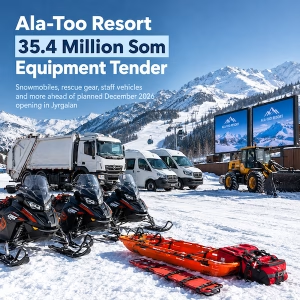
Ala-Too Resort Buys 35.4 Million Som of Winter Gear Ahead of Its December Opening
On October 6, 2026, Kyrgyzstan's flagship mountain cluster posted a public tender for snowmobiles, rescue equipment, a compactor truck and groomers. It is the clearest…
Read more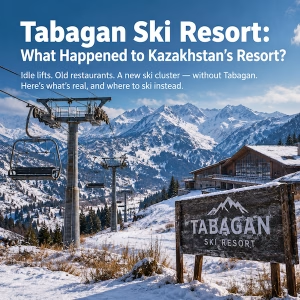
Tabagan | Kazakhstan’s Abandoned Ski Resort and the Future of Almaty Skiing
Tabagan’s cableways are idle, its old restaurants survive only in archived listings, and Kazakhstan is building a new Almaty ski cluster without it. Here is…
Read moreReady to Ski Kazakhstan?
Base yourself in Almaty and ski Shymbulak, Oi-Qaragai, and Ak-Bulak — or fly to Oskemen for Altai Alps in East Kazakhstan. With the Almaty SuperSki mega project under construction, Kazakhstan's ski scene is about to get much bigger.
12 resorts · 68 km slopes · 43 lifts · Nov–Apr · Day passes from ~$25